
On this page
Your needs, this model
Does it fit your priorities?
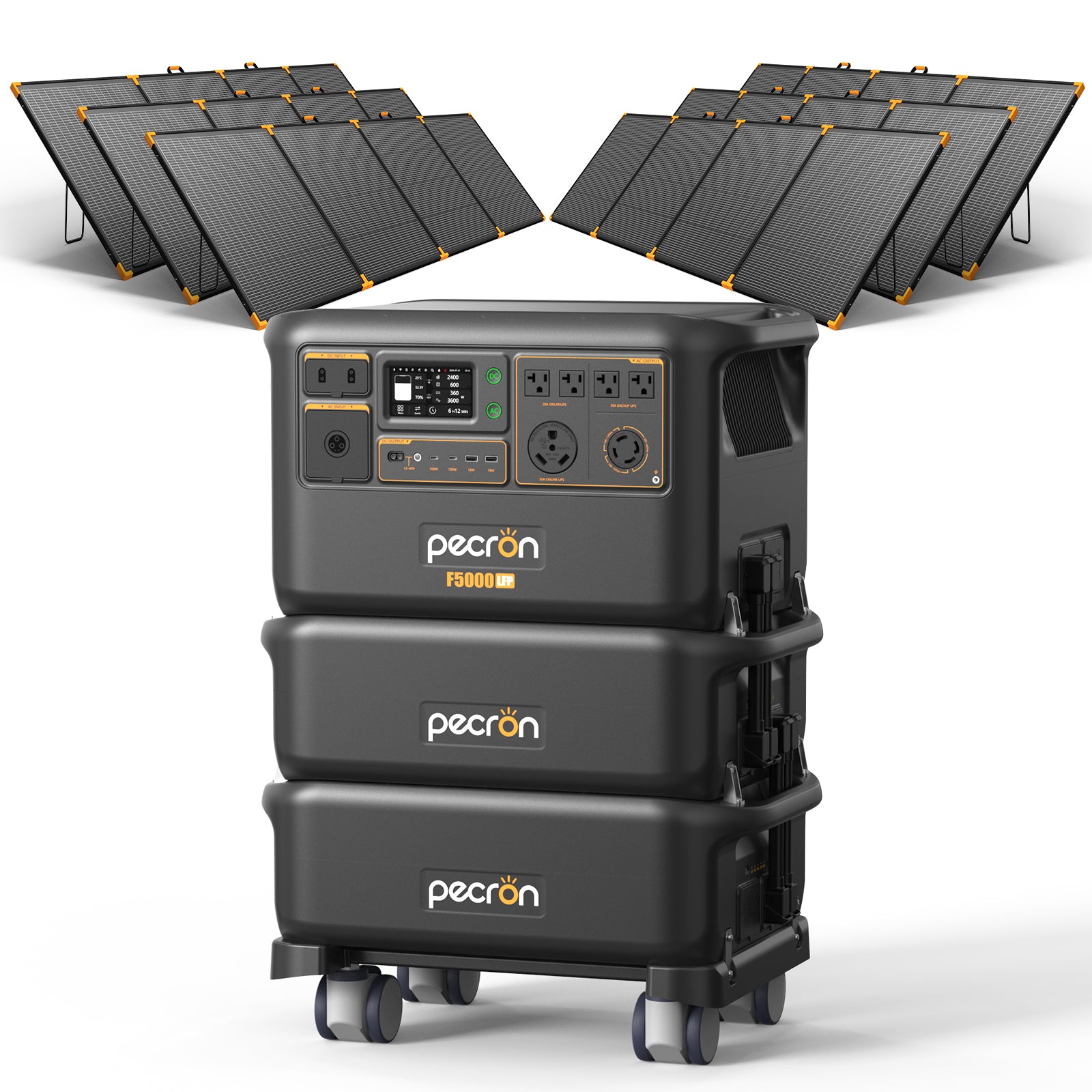
Does this exact option include the F5000LFP host output, two FP5000-48V batteries and six PV500 panels?
The archived U.S. SKU explicitly identifies two expansion units and six PV500s. The host supports the listed 240 V/7,200 W output; those additions do not increase its inverter rating.
Explore this need in the finder →Is a seventh panel or third expansion battery required in the box?
The exact selected SKU names six PV500 panels (3,000 W by panel-label arithmetic) and two FP5000-48V batteries. A stricter seven-panel or three-pack minimum excludes this option; no system total is inferred.
Explore this need in the finder →Can this six-panel bundle meet an essential all-panels-together electrical plan?
Not from the archived evidence. PV500 voltage/current/connector values and an approved six-panel array are missing. A documented Jackery HomePower 1000 Plus v2 with two SolarSaga 200W panels is a positive option only for the smaller 120 V requirement, not a substitute for this station's 240 V output.
Explore this need in the finder →Pecron · two FP5000-48V batteries and six PV500 panels
Pecron F5000LFP with two FP5000-48V batteries and six PV500 panels review
The defining feature of this selected F5000LFP option is the size of its component list: one F5000LFP host, two FP5000-48V expansion batteries and six PV500 panels. It is not a second power station and it is not a documented six-panel solar system. The exact U.S. SKU is more informative than a broad product headline, but it does not provide the combined battery capacity, full package weight or panel wiring details that a buyer would need to treat the entire bundle as a verified installation.
A larger kit, with clear and unclear parts
The selected option title explicitly names two FP5000-48V units and six PV500 panels. Pecron’s PV500 page identifies a 500-watt nameplate for each panel; multiplying that published label by six gives 3,000 watts of panel nameplate, not a real-world output or guaranteed charging rate. The F5000LFP’s own published storage remains 5,120 watt-hours. The additional packs are clearly named, but the captured offer does not establish their per-unit capacity or the exact total storage of this combination. A “two batteries” label is not enough evidence to assign the bundle a kWh figure.
The host continues to determine the AC job: Pecron lists 120/240-volt output, up to 7,200 watts at 240 volts, and two 3,600-watt 120-volt groups. An expansion battery may add energy storage when properly connected, but it does not add a second inverter or increase the station’s listed output rating. Use the output-group limits and your actual appliances’ running and startup demands to build a realistic plan.
Six PV500 panels require a siting plan
Six separate panels can be more work than the summed wattage suggests. The PV500 is described as a portable bifacial 500-watt panel in the manufacturer’s product-page material, but the captured page and JSON do not give its voltage, current, open-circuit voltage, connector, dimensions or weight. Nor do they identify a supported six-panel series/parallel arrangement or the exact adapters in this bundle. The station manual lists two XT60 solar inputs and a 30–180-volt, up-to-25-amp window, with 3,200 watts per input and a 5,800-watt standalone station ceiling. Those system-side figures do not confirm that these six particular panels can be used together at their ratings.
Before making solar operation essential, ask Pecron for the exact electrical diagram, cable/adapter inventory and allowable arrangement for this six-panel SKU. Check that you have enough unshaded ground or roof area to deploy and secure the panels, plus a way to gather them when weather or foot traffic changes. The station’s listed solar leads are not proof that the PV500 connectors match, and the arithmetic 3,000-watt panel label should not be presented as input power or a charge-time promise.
Large backup, not frequent carrying
The F5000LFP host alone is listed at 123.9 pounds. The two expansion units and six panels make this an equipment bundle with an unknown combined weight, not a light travel system. A planned backup location, workshop, stationary RV setup or equipment area is more plausible than moving the whole configuration routinely. The manufacturer image linked to this exact option shows the F5000 family with expansion hardware and panels; it is an illustration, not a reliable way to count every supplied component or estimate the floor space the deployed kit needs.
Compare the neighboring options by what is actually included
One FP5000-48V plus four PV500s is a smaller combined option, with one named battery and 2,000 watts of panel nameplate arithmetic. The F5000LFP with four PV500s and no extra battery trades the named storage add-on for the same panel count. Battery-only options from one through six FP5000-48V units state a pack quantity but have no solar panels in the offer. This two-battery/six-panel selection is the largest of those two-package combinations by its listed component counts, but not by a verified total-capacity or charge-time rating. If exact energy or known electrical compatibility is more important than the bundle size, wait for those answers rather than choosing a larger number in the title.
Finder fit and final call
Choose this option only if a single F5000LFP host is the right 120/240-volt output platform, you have a genuine use for two included expansion units, and you can deploy six panels at the intended site. The ordinary questionnaire can identify the output and basic solar-input need. An advanced minimum-count constraint can identify that this package lists two expansion batteries and six panels, while keeping those details separate from storage capacity and inverter output.
It should not be recommended as a confirmed answer when the buyer requires at least a particular total battery capacity above the host’s published 5,120 Wh, a known total-system weight, a documented six-panel input topology or a guaranteed daily energy yield. Those are meaningful requirements, and this selected-option evidence does not resolve them. The archived manufacturer snapshot also marked the SKU unavailable and carried pre-order language; check today’s U.S. listing and the exact option title before ordering. The bundle may suit a fixed, carefully planned backup installation, but the missing compatibility and package details deserve confirmation first.
Key details at a glance
| Rated AC output | 7200 W |
|---|---|
| Maximum solar input | 5800 W |
| Included panels, combined nameplate | 3000 W |
| Maximum USB-C output per port | 100 W |
| Compatible extra-battery expansion | Yes |
| Maximum AC recharge input | 3600 W |
More specifications and setup details
| Manufacturer UPS transfer figure | 20 ms |
|---|---|
| Total rated DC output | 800 W |
| AC outlet output | Yes |
| USB-C ports | 2 |
| USB-A ports | 2 |
| Solar input ports | 2 |
| Battery chemistry | LiFePO4 |
| Expansion battery in this package | Yes |
| Home Power Panel in this package | No |
| Separate station units in offer | 1 |
| Smart Transfer Switch in this package | No |
| Solar panels in exact offer | 6 |
| Included expansion batteries | 2 units |
Use the exact model’s instructions for operating limits, supplied equipment and version differences.
Sources for this assessment

A useful match starts with the loads that matter.
Use the finder for hard electrical requirements, then check appliance starting behavior, actual run time and the exact package in the full assessment.